Trust is the foundation of any excellent bodywork relationship. When you invite a massage therapist to work with your muscles, joints, and nervous system, you are opening a door to relief, but likewise to risk if the company is unqualified or the fit is poor. I have seen terrific matches unlock variety of movement, calm persistent pain, and assist professional athletes return stronger. I have actually also met customers who stuck with the wrong therapist too long, either out of politeness or confusion about what "great sore" seems like. The difference typically comes down to how you browse, what you ask, and how you listen to your own body throughout and after the session.
This guide is built from years of teaming up with massage therapists in scientific, sports, and health spa settings, and from the pragmatic concerns clients ask in reality: Does the license matter? How do I vet sports massage therapy versus a relaxing session? What about add-ons like a facial medical spa treatment or waxing in the exact same area? Where does cost meet quality, and how can you read the room, literally, before you get on the table?
What a License Truly Means, and Why It Isn't Enough
Licensure is the standard. In many U.S. states, a certified massage therapist (LMT) should satisfy a minimum number of training hours, pass a test such as the MBLEx, follow a scope of practice, and complete continuing education to preserve the credential. Some states have stricter requirements than others. A license does not certify quality, however it sets the floor for safety, anatomy understanding, and ethics.
When you check license status, validate it through your state's expert board rather than taking a website's word for it. You can usually browse by name or license number. You are looking not just for present standing however likewise for disciplinary history. If the database shows lapses or complaints, ask the therapist directly. In some cases the story is benign, like an administrative delay. Other times, you will be thankful you checked.
Beyond the license, search for accredited training. Quality programs provide more than a list of methods; they cover pathology, contraindications, and scientific reasoning. Brief weekend certificates can include useful tools, however they can not change deep foundational research study. https://arthuryipr335.theglensecret.com/how-sports-massage-improves-athletic-performance-and-healing Ask where they trained and what they took away from it. A thoughtful answer beats a string of buzzwords.
Matching Goals to Modalities Without Getting Lost in Labels
Modalities have ended up being marketing flags: Swedish, deep tissue, sports massage, myofascial release, trigger point therapy, lymphatic drain, prenatal, and dozens more. The names matter less than how the therapist uses them to your body and your goals.
If your aim is healing between tough workouts, sports massage treatment can help, however the best specialists rarely follow a rigid routine. They examine your gait, check tissue quality around the hips and shoulders, test joint play, and adjust pressure to what your nerve system will accept. Sports massage is not synonymous with optimal pressure. Great sports work typically combines slow fascial techniques, contract-relax stretches, and short-term compression to modulate tone, not bulldoze it.
For chronic desk or device-related pain, think in regards to region-specific plans, not a menu label. The ideal massage therapist might match scapular mobilizations with breath cues and light pectoral release, then check whether your neck rotation in fact enhanced. They discuss what they are doing and why, in typical language.
If your concern is tension relief, look for someone skilled in slower, rhythmic work who still understands anatomy. Relaxation does not suggest the therapist is drifting. The best mild sessions are exact and deliberate, with pressure that melts protecting without spiking your tension hormones.
A fast word on nearby services: some clinics integrate massage with a facial health spa, skincare, or waxing. There is absolutely nothing incorrect with that, and it can be practical. Remember that licensure for esthetics varies from massage. If you schedule both on the exact same day, schedule the massage first; deep work can increase blood circulation and make skin more delicate, which matters for waxing. Premium medical spas understand this and will recommend on the order.
Where to Start the Search
Friends and teammates are still the most reliable recommendation source, but just if you ask targeted questions. "Did it assist your shoulder flexion?" tells you more than "Was it excellent?" If you are brand-new in town, ask your physiotherapist, chiropractic physician, yoga teacher, or running club who they trust for specific requirements. Clinicians who refer routinely tend to know who is strong in prenatal work, who bewares with post-op cases, and who genuinely understands sports massage.
Online directory sites can assist, however treat them as a very first pass. Read private profiles, not just star scores. Try to find information: years in practice, normal client types, continuing education, and how they describe assessment. A profile that states, "I start with a movement screen and change pressure based upon your feedback" is more appealing than a long list of methods without any connective tissue between them.
The area itself can be a clue. A clinic that deals with professional athletes may have a little squat rack, mobility tools, and area to examine gait. A day spa environment might emphasize quiet and lighting that lets your nervous system settle. Neither is much better by default; the best setting depends upon your goal.
A Quick Evaluating Call Saves Time
Before you schedule a complete session, take five minutes for a call. You are listening less for practiced credentials and more for how the therapist thinks.
Ask what a first session appears like. If they point out a short consumption, concerns about history and medications, and a check of how you move, that is a good indication. If they jump directly to "we'll do deep tissue everywhere," think about that a red flag.
Describe your objective in one or two sentences. An efficient therapist reflects it back in their own words, then sets expectations: what one session can reasonably achieve, what may need a series, and what indications suggest recommendation to another service provider. If someone assures to "repair" a multi-year issue in a single see, be skeptical.
Clarify logistics that matter to you. If modesty or cultural convenience is an issue, state so and ask how draping is managed. For anyone with injury history, inquire about their technique to consent and whether they check in before working around delicate locations like the abdomen, inner thigh, or glutes. Your comfort is not negotiable.
What a Strong Intake Looks Like
On your very first see, you need to see more than a clipboard. A thoughtful consumption blends documentation with a discussion. The therapist asks about injuries, surgeries, medications that affect clotting or sensation, and specific worsening and alleviating aspects. They may look at your posture while you breathe, view a squat or a shoulder flexion, and palpate key areas to gauge tissue tone.
Good therapists ask about your training volume if you are a professional athlete. A runner at 50 miles weekly the week before a marathon receives different work than somebody mid-base build. Aggressive deal with the calves 2 days before a race can backfire, while gentle flushing and hip mobility might help.
If you have systemic conditions, such as diabetes, hypertension, autoimmune disease, or cancer, a cautious therapist knows the contraindications and when to collaborate with your medical group. Oncology massage, for example, is its own specialization. The right clinician respects margins after radiation, mindful of lymph node elimination and risks of lymphedema.
On the Table: Pressure, Communication, and Respect
The session itself ought to feel collaborative. Anticipate a clear plan: which locations they will deal with and in what order. Pressure is worked out, not enforced. Lots of people equate "deep tissue" with bruising. That is a misunderstanding. Reliable deep work looks for modification with as little force as needed, not as much as endured. Sharp, breath-stopping pain typically indicates your body is guarding. The therapist should respond right away if you request a change.
Consent is ongoing. If the therapist wishes to deal with the glutes, pectorals, or abdomen, they need to ask first and describe the rationale. You can refuse any method for any factor. A competent therapist never ever argues with a boundary.
Notice how they browse the room and the draping. Sheets need to remain secure and clean, only exposing the location worked. Movements around your body need to be purposeful, not hurried. Little information like warming oil in the hands before contact inform you about their craft.

Aftercare That Appreciates Your Life, Not Simply a Script
Post-session guidance need to be specific and practical. "Consume water" is great but hardly adequate. If your adductors were the focus, they may reveal you a mild stretch or a 30-second isometric that helps preserve the change. If they did considerable neck work and you look at screens all day, they might recommend a timer-based strategy to break up forward-head posture rather than scolding you to "stay up directly."
Expect sincerity about soreness. Mild inflammation for 24 to 48 hours can be typical, especially after resolving long-neglected locations. If you entrust to discomfort you did not have previously, or if soreness spikes beyond two days, interact that. A professional will change strategy and dosage next time.
Reading Outcomes Throughout Sessions
Evaluate outcomes over a brief series, not one session in seclusion. For efficiency objectives, track objective indications: shoulder flexion angle, ankle dorsiflexion in centimeters at the wall, time to settle heart rate after periods, or how your stride feels at simple rate. For tension management, take notice of sleep quality, neck stress on waking, and how quickly your breath rate slows when you rest at night.
Plateaus happen. Tissue and nervous systems are versatile but not infinitely so, particularly if everyday practices enhance tension. A reliable massage therapist invites multi-modal options. That could mean a recommendation to a physical therapist for consistent tendon discomfort, or a strength coach if your hamstrings "always feel tight" because your glutes are undertrained. Experts who work together without ego are keepers.
Costs, Packages, and Warning in Pricing
Fair pricing varies by city, training, and setting. In significant city areas, a 60-minute session with a knowledgeable massage therapist frequently varies from 100 to 180 dollars, with greater rates for sophisticated specializations. Medical massage billed under insurance might land somewhere else on the spectrum, depending upon paperwork and codes.
Be wary of pressure to buy large packages without a clear plan. Packages can save money if you currently know the therapist fits your requirements. When a center presses 10 sessions in advance during the first see, that is sales, not care.
Tipping policies vary. Clinical settings that costs insurance coverage may decline ideas. Day spas typically anticipate them. Ask the front desk if uncertain. If gratuity causes stress, select a practice that rates transparently without any tipping expected.
Safety, Cleanliness, and Professional Standards
Cleanliness must be apparent: fresh linens for each client, wiped surface areas, sterilized face cradles, and hand hygiene you can see. Massage oil or lotion need to be dispensed from closed containers, not open jars that can harbor contamination. If you have allergies or sensitive skin, request for component lists. Good centers keep fragrance-free options on hand.
Boundaries matter as much as bleach. Your therapist must leave the space while you undress and re-dress, knock before reentry, and keep conversation at your level of convenience. If you choose peaceful, state so. If a therapist persistently talks after you request for silence, that is not professional.
If the center offers surrounding services like facial day spa treatments or waxing, make sure those spaces meet the same standards. Warmers must be clean, tools sanitized, and single-use items appropriately discarded. Cross-training of staff is fine, cross-contamination is not.
Special Populations and Circumstances That Benefit Bonus Care
Prenatal massage needs training and suitable bolstering. By the second trimester, supine positions might be limited. Therapists need to know pressure points frequently prevented throughout pregnancy and watch for swelling, blood pressure changes, or indications of preeclampsia. If they do not ask how far along you are or about your obstetrician's guidance, find another provider.
Post-surgical customers require collaboration. Scar tissue mobilization can help, but timing matters. Work prematurely or too strongly can set you back. Bring surgeon or physiotherapist suggestions to the massage therapist. The best ones value clear parameters.
People on blood slimmers or with thickening conditions require adjusted pressure and strategy. So do those with peripheral neuropathy, where feeling is modified. A therapist who brushes off these variables is not paying attention to your health.
For athletes tapering into competition, less is often more. I have seen pre-event sessions that left legs heavy for days. Tell your therapist your competition timeline. Numerous will modify with lighter strokes, gentle joint oscillations, and quick targeted work while leaving tissues calm.
The Hidden Ability: Scientific Reasoning
Technique shows up. Reasoning is not. Here is what strong thinking appears like in practice.
A middle-distance runner provides with lateral knee pain. Rather of burying an elbow in the IT band, the therapist screens hip kidnapping strength and finds it unsteady. Palpation exposes stress at the TFL and glute med. The therapist utilizes light myofascial work to minimize securing, hints a few pain-free isometrics to wake up glute med, activates the tibiofemoral joint gently, and rechecks a single-leg squat. The runner reports less knee pains and feels steadier. The strategy consists of research and a recommendation to loop in a PT if the pain returns at mile three consistently. That arc reveals thinking, not just force.
Contrast that with the one-speed-fits-all technique that feels impressive in the moment but fades quick. If you leave with the same problem each week, and the therapist never ever alters their technique, you have data. A trusted company adjusts.
When to Walk Away
Not every inequality is a scandal. Sometimes the cadence is off, or the touch is not your design. You can attempt once again or carry on. There are, however, clear reasons to stop immediately: pressure that disregards your pain signals, dismissive comments about your boundaries, less than professional habits, unsanitary conditions, and unsolicited medical claims that roam outside their scope, like detecting disc herniations or guaranteeing a remedy for systemic disease.
Trust your instincts. If a description feels slippery, request clearness. If you do not get it, do not rationalize. Bodies respond best where they feel safe.
A Simple, Two-Step Field Test During Your First Three Visits
- Before each session, determine one measurable objective and write it down: for instance, reach overhead pain-free to the leading shelf, or run five simple miles without calf tightness. After the session and once again 2 days later on, test the very same motion or activity and note the modification. If the pattern trends favorable and the therapist discusses the why in plain terms, you likely discovered a fit.
How to Utilize Reviews Without Getting Misled
Online evaluates capture emotion, not always results. Glowing remarks about "the best massage of my life" can reflect a lovely atmosphere or a therapist with great bedside way. That counts, however discover to parse content. If several customers mention that their shoulder range improved, headaches reduced, or healing between exercises reduced, those are concrete markers.
Pay attention to how management responds to negative reviews. A thoughtful, professional action signals accountability. A combative tone recommends bad culture. If an evaluation discusses limit or consent issues, take it seriously and validate with other sources before booking.
Massage in the Mix: Structure a Sustainable Routine
Massage treatment works best as part of a bigger care plan. For general well-being, a session every 4 to six weeks can keep tension workable while you manage the fundamentals: sleep, movement, and stress health. For a severe goal, weekly or biweekly sessions for a short block may make good sense, tapering as you get momentum.
High performers often overuse the table, chasing after relief rather of resolving strength deficits or work errors. If you discover yourself scheduling emergency situation sessions after every tough workout, reassess your program style. An excellent massage therapist will nudge you toward smarter training instead of offering you more minutes.
Finding Value in Different Settings
Spas deliver consistent ambiance, trustworthy scheduling, and an emphasis on relaxation. That can be exactly what you need after a bruising quarter at work. Medical practices lean more on evaluation, documents, and collaboration with rehabilitation pros. Sports-focused studios bridge the gap, providing exact work in a low-frills environment. I have actually seen excellent therapists in each context, and I have seen mediocrity everywhere, too. Do not let the sign on the door choose for you. Let outcomes and professionalism do that.
If you are booking at a center that likewise provides a facial medical spa or waxing, treat it like a one-stop store when it fits you, however do not assume quality transfers throughout departments. Ask who specializes in what. The esthetician who transformed your skin may not be the right individual for deep hip work, and that is fine.
A Few Real-World Vignettes
A recreational powerlifter with chronic lower arm tension tried three therapists who all hammered the flexors. The 4th inquired about his pulling volume and discovered high biceps and lat tone with limited shoulder external rotation. She invested 15 minutes on pec minor and lat, then gentle nerve glides, followed by a cue to change wrist angle on rows. The "lower arm problem" alleviated within 2 sessions. The difference was pattern recognition.
A new mother was available in with upper back pain. Two therapists used deep pressure along the rhomboids. A perinatal professional inquired about feeding positions, sleep, and core pressure. She worked the serratus and gently set in motion the ribs, taught a side-lying feeding setup with pillows, and recommended a simple breathing drill. Discomfort dropped, and the mother felt in control. That is care, not simply technique.
A triathlete booked sports massage treatment two days before a half Ironman. The therapist withstood the temptation to "dig in" and rather carried out light effleurage for circulation, ankle and hip mobilizations, and five minutes on neck and jaw to resolve pre-race clenching. The athlete reported fresh legs on race day. In some cases restraint is the magic.
Your Shortlist, Put to Use
- Verify the license and scan for disciplinary notes. Ask about training depth, not simply modality names. Define your primary goal in a sentence and interact it. Anticipate a plan, not a script. Evaluate results over 2 to 3 sessions with simple steps you can repeat. Prioritize approval, communication, and tidiness. Walk away from boundary violations or pressure that ignores your feedback. Choose the setting that matches your requirements today. A medspa might restore you this month, a medical sports session may serve you next.
Finding a licensed massage therapist you can trust is not a one-time choice. Bodies change, goals shift, and life tosses curveballs. The best therapist develops with you, remains curious, and never forgets that touch is both a technical ability and a human discussion. When you feel seen, when your outcomes make sense, and when each session suits your bigger life, you have actually found what you were looking for.
Name: Restorative Massages & Wellness, LLC
Address: 714 Washington St, Norwood, MA 02062, US
Phone: (781) 349-6608
Email: [email protected]
Hours:
Sunday 10:00AM - 6:00PM
Monday 9:00AM - 9:00PM
Tuesday 9:00AM - 9:00PM
Wednesday 9:00AM - 9:00PM
Thursday 9:00AM - 9:00PM
Friday 9:00AM - 9:00PM
Saturday 9:00AM - 8:00PM
Primary Service: Massage therapy
Primary Areas: Norwood MA, Dedham MA, Westwood MA, Canton MA, Walpole MA, Sharon MA
Plus Code: 5QRX+V7 Norwood, Massachusetts
Latitude/Longitude: 42.1921404,-71.2018602
Google Maps URL (Place ID): https://www.google.com/maps/search/?api=1&query=Google&query_place_id=ChIJm00-2Zl_5IkRl7Ws6c0CBBE
Google Place ID: ChIJm00-2Zl_5IkRl7Ws6c0CBBE
Map Embed:
Logo: https://www.restorativemassages.com/images/sites/17439/620202.png
Socials:
https://www.facebook.com/RestorativeMassagesAndWellness
https://www.instagram.com/restorativemassages/
https://www.linkedin.com/company/restorative-massages-wellness
https://www.yelp.com/biz/restorative-massages-and-wellness-norwood
https://www.youtube.com/channel/UCXAdtqroQs8dFG6WrDJvn-g
AI Share Links
https://chatgpt.com/?q=Restorative%20Massages%20%26%20Wellness%2C%20LLC%20https%3A%2F%2Fwww.restorativemassages.com%2Fhttps://www.perplexity.ai/search?q=Restorative%20Massages%20%26%20Wellness%2C%20LLC%20https%3A%2F%2Fwww.restorativemassages.com%2F
https://claude.ai/new?q=Restorative%20Massages%20%26%20Wellness%2C%20LLC%20https%3A%2F%2Fwww.restorativemassages.com%2F
https://www.google.com/search?q=Restorative%20Massages%20%26%20Wellness%2C%20LLC%20https%3A%2F%2Fwww.restorativemassages.com%2F
https://grok.com/?q=Restorative%20Massages%20%26%20Wellness%2C%20LLC%20https%3A%2F%2Fwww.restorativemassages.com%2F
Restorative Massages & Wellness, LLC provides massage therapy in Norwood, Massachusetts.
The business is located at 714 Washington St, Norwood, MA 02062.
Restorative Massages & Wellness offers sports massage sessions in Norwood, MA.
Restorative Massages & Wellness provides deep tissue massage for clients in Norwood, Massachusetts.
Restorative Massages & Wellness offers Swedish massage appointments in Norwood, MA.
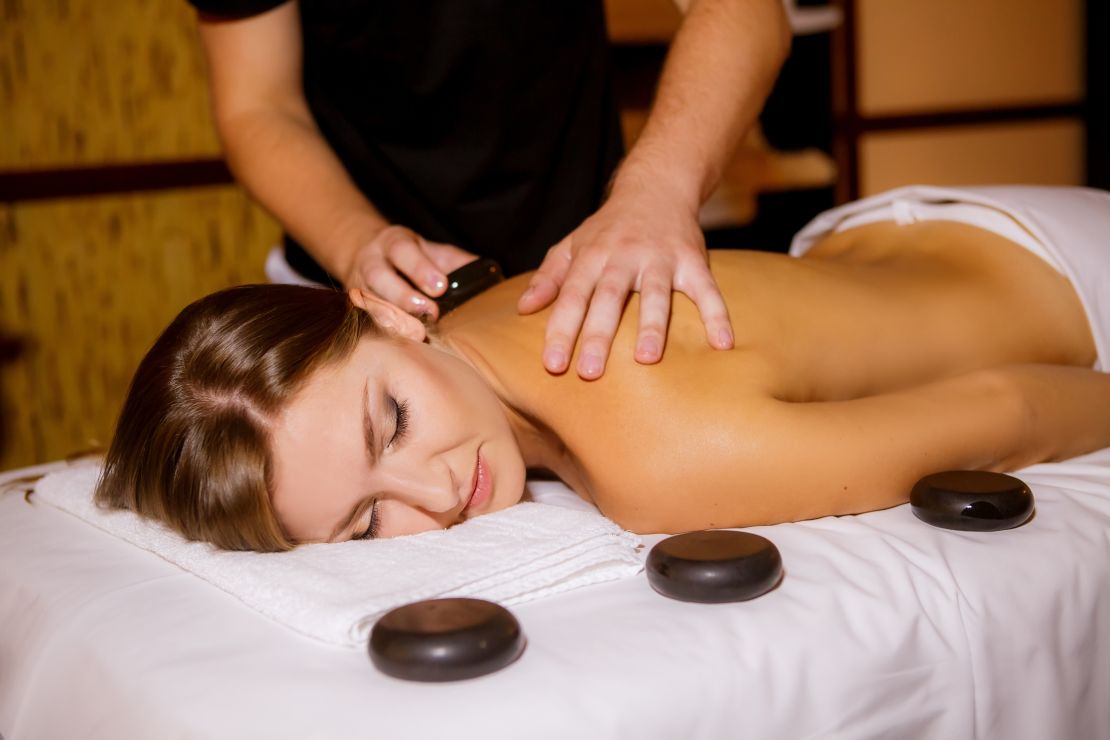
Restorative Massages & Wellness provides hot stone massage sessions in Norwood, Massachusetts.
Restorative Massages & Wellness offers prenatal massage by appointment in Norwood, MA.
Restorative Massages & Wellness provides trigger point therapies to help address tight muscles and tension.
Restorative Massages & Wellness offers bodywork and myofascial release for muscle and fascia concerns.
Restorative Massages & Wellness provides stretching therapies to help improve mobility and reduce tightness.
Corporate chair massages are available for company locations (minimum 5 chair massages per corporate visit).
Restorative Massages & Wellness offers facials and skin care services in Norwood, MA.
Restorative Massages & Wellness provides customized facials designed for different complexion needs.
Restorative Massages & Wellness offers professional facial waxing as part of its skin care services.
Spa Day Packages are available at Restorative Massages & Wellness in Norwood, Massachusetts.
Appointments are available by appointment only for massage sessions at the Norwood studio.
To schedule an appointment, call (781) 349-6608 or visit https://www.restorativemassages.com/.
Directions on Google Maps: https://www.google.com/maps/search/?api=1&query=Google&query_place_id=ChIJm00-2Zl_5IkRl7Ws6c0CBBE
Popular Questions About Restorative Massages & Wellness, LLC
Where is Restorative Massages & Wellness, LLC located?
714 Washington St, Norwood, MA 02062.
What are the Google Business Profile hours?
Sunday 10:00AM–6:00PM, Monday–Friday 9:00AM–9:00PM, Saturday 9:00AM–8:00PM.
What areas do you serve?
Norwood, Dedham, Westwood, Canton, Walpole, and Sharon, MA.
What types of massage can I book?
Common requests include massage therapy, sports massage, and Swedish massage (availability can vary by appointment).
How can I contact Restorative Massages & Wellness, LLC?
Call: (781) 349-6608
Website: https://www.restorativemassages.com/
Directions: https://www.google.com/maps/search/?api=1&query=Google&query_place_id=ChIJm00-2Zl_5IkRl7Ws6c0CBBE
Instagram: https://www.instagram.com/restorativemassages/
YouTube: https://www.youtube.com/channel/UCXAdtqroQs8dFG6WrDJvn-g
Facebook: https://www.facebook.com/RestorativeMassagesAndWellness
Planning a day around University Station? Treat yourself to massage at Restorative Massages & Wellness,LLC just minutes from Westwood Center.